
It’s Thursday evening, which means it is time for my monthly visit to see Somi, my beauty therapist and friend.
We have known each other for around five years, and during that time our relationship has developed into something far more meaningful than a regular beauty appointment. Somi does not simply do my nails. She listens. She asks thoughtful questions. She remembers the conversations we had the previous month and wants to know what has happened since.
We talk about work, family and life. We share stories, laugh and, occasionally, put the world to rights, sometimes we cry.
Usually I arrive carrying the pressures of a busy month. For those two hours, I have permission to pause. There are no demands, no interruptions and nowhere else I need to be. I can simply sit, talk and allow someone else to care for me.
I leave with beautiful nails, but that is only one part of the experience. I also leave feeling lighter, restored and more like myself. Somi makes me feel fabulous, not only because of what she does, but because of the way she makes me feel while I am there.
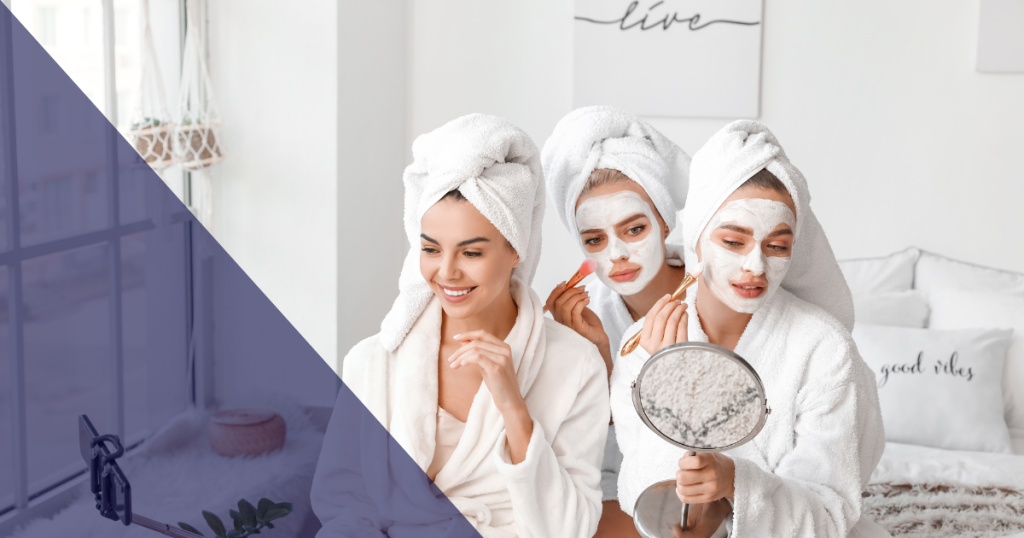
Therapy indeed.
Those two hours are not something I fit in if I happen to have time. I make time for them. I prioritise them because I understand what they contribute to my wellbeing.
This experience has shaped my view of beauty-based activity provision in care homes. Too often, these activities are described as treats, luxuries or “a bit of pampering.” Although that language may be well-intentioned, it risks diminishing their true value.
Beauty therapy is not merely about improving someone’s appearance. At its best, it creates time, trust, conversation and connection. It supports identity, confidence, dignity and choice. These are not optional extras in care; they are at the heart of person-centred practice.
When someone moves into a care home, they do not stop being the person they have always been. They bring with them a lifetime of experiences, habits, preferences and rituals. Perhaps they have always worn a particular lipstick, visited the hairdresser each week or taken pride in choosing a nail colour to match an outfit. Perhaps a regular shave, carefully styled hair or a well-groomed beard has always helped them feel ready to face the day.
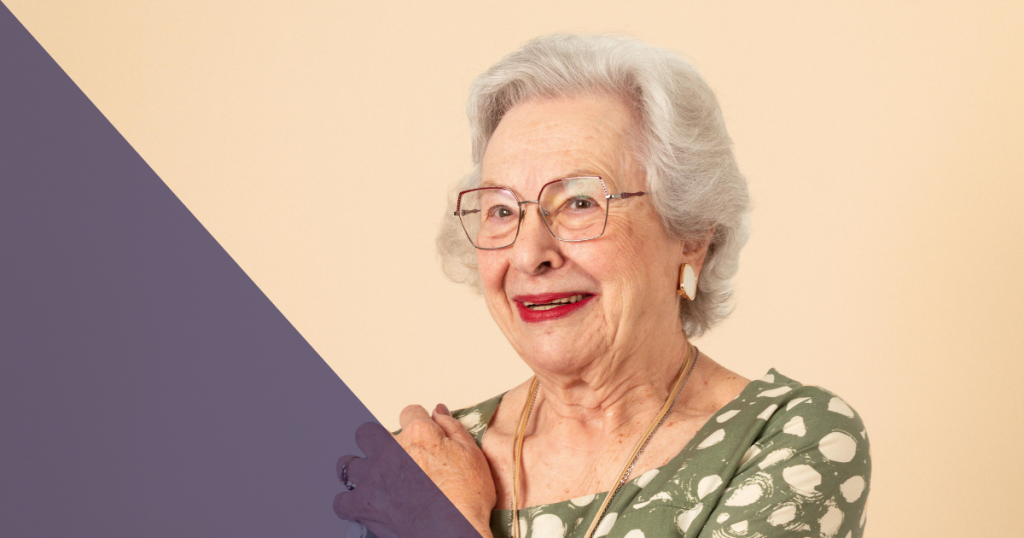
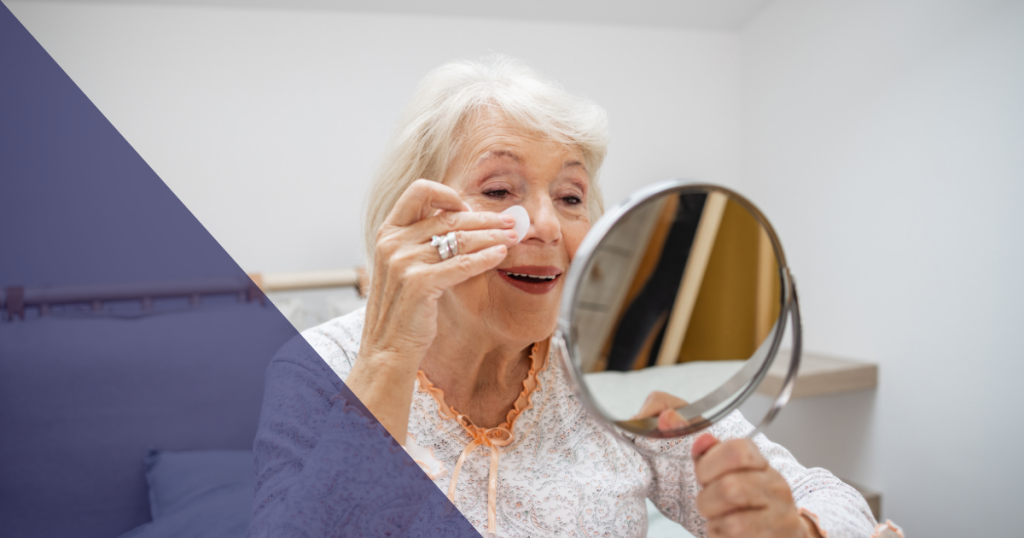
These routines are not superficial. They are expressions of identity
We should not assume they become less important because a person is older, unwell or in need of support. In fact, when other parts of life are changing, familiar routines can become even more significant. They provide continuity and help someone hold on to a sense of who they are.
Choice is an important part of this. Selecting a nail colour, deciding how to wear one’s hair or choosing whether to take part at all may appear to be a small decision. Yet in a care environment, where so much of the day can be shaped by routines and support needs, even a small personal choice can carry real meaning.
It says: this is still your body, your style and your decision.
Beauty-based activities also create natural opportunities for conversation and reminiscence. A familiar fragrance, hairstyle or lipstick shade may prompt memories of getting ready for a dance, preparing for work, attending a wedding or visiting a favourite salon.
These memories can lead to rich conversations about relationships, careers, family life and special occasions. They allow residents to share their stories and give care teams a deeper understanding of the individual beyond their diagnosis or immediate needs.
A manicure can become a conversation about a wedding day. A hairstyle can bring back memories of a first job. A bottle of perfume can evoke a person, place or moment that has not been spoken about for years.
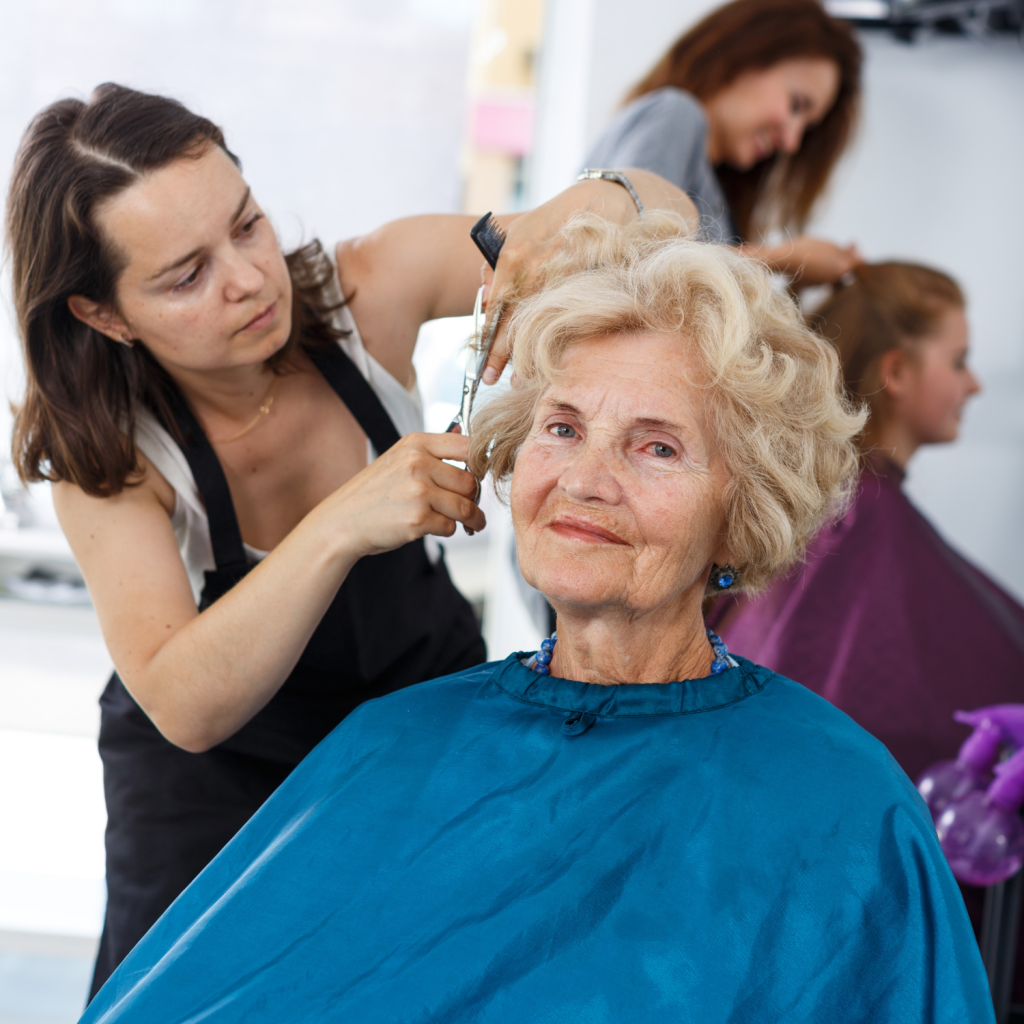
That is not “just pampering.” It is connection with a person’s history.
The value of one-to-one attention must not be underestimated either. During a beauty session, somebody sits with the resident, focuses on them and takes an interest in what they have to say. There is time to notice their mood, listen to their stories and respond to them as an individual.
For a person who feels lonely, has few visitors or finds group activities difficult, this focused time may be particularly important. Sometimes they may want to talk and laugh. Sometimes they may want to share something that is troubling them. At other times, they may simply want to enjoy the comfort of another person’s company without the pressure to speak.
All of these experiences have value.
Safe, appropriate and consent-led touch can also provide warmth and reassurance. A gentle hand massage or the careful application of hand cream can create a quiet moment of comfort. However, the resident’s wishes, boundaries, culture and dignity must always guide the activity. Nobody should be expected to take part, and no assumptions should be made about what a person will enjoy based on their age or gender.
Person-centred beauty provision will look different for everyone. It might involve nail care, hairstyling, skincare, a traditional wet shave or beard grooming. It may simply mean looking through photographs and talking about fashion or beauty routines from the past.
The treatment itself is only part of what is being offered. The real value lies in the experience created around it.
Group sessions can bring their own benefits. Residents may choose colours together, compliment one another and enjoy a shared sense of occasion. These sessions can encourage conversation and laughter, particularly when residents are preparing for a birthday, celebration or family visit.
I know what my appointments with Somi give me. She may be doing my nails, but she is also giving me her time, her attention and a space in which I can pause and be myself. I leave feeling seen, heard and cared for.
Why would a person living in a care home need or deserve that any less?
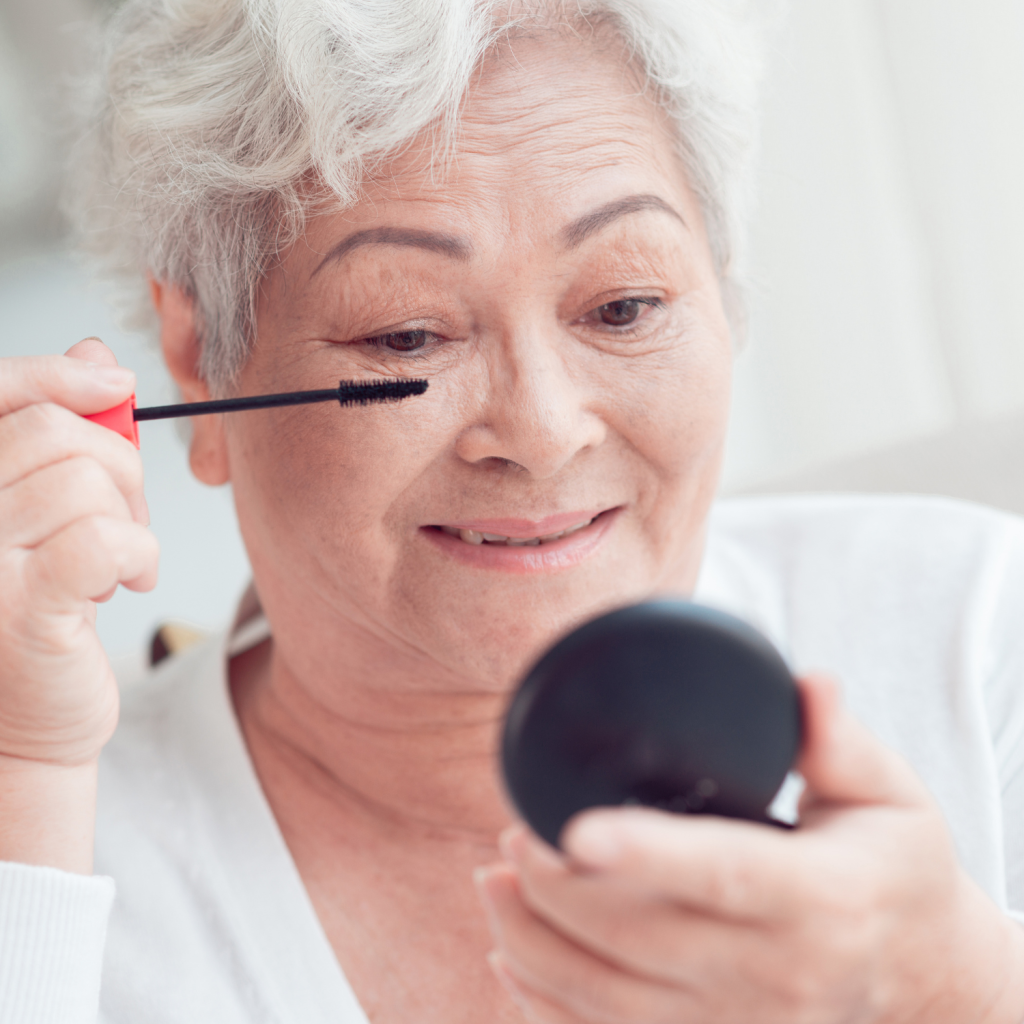
The impact of beauty-based activities may not always be easy to capture on a form, but it can be seen in someone’s smile, posture and confidence. It is there when a resident begins sharing a forgotten story, proudly shows someone their nails or looks in the mirror and recognises themselves.
We must stop treating beauty therapy as an indulgence that can be offered only when time and resources allow. When it is delivered with skill, respect and genuine understanding, it becomes an important part of caring for the whole person.
It is not simply about appearance, and it is far more than pampering.

Hilary Woodhead
CEO NAPA